
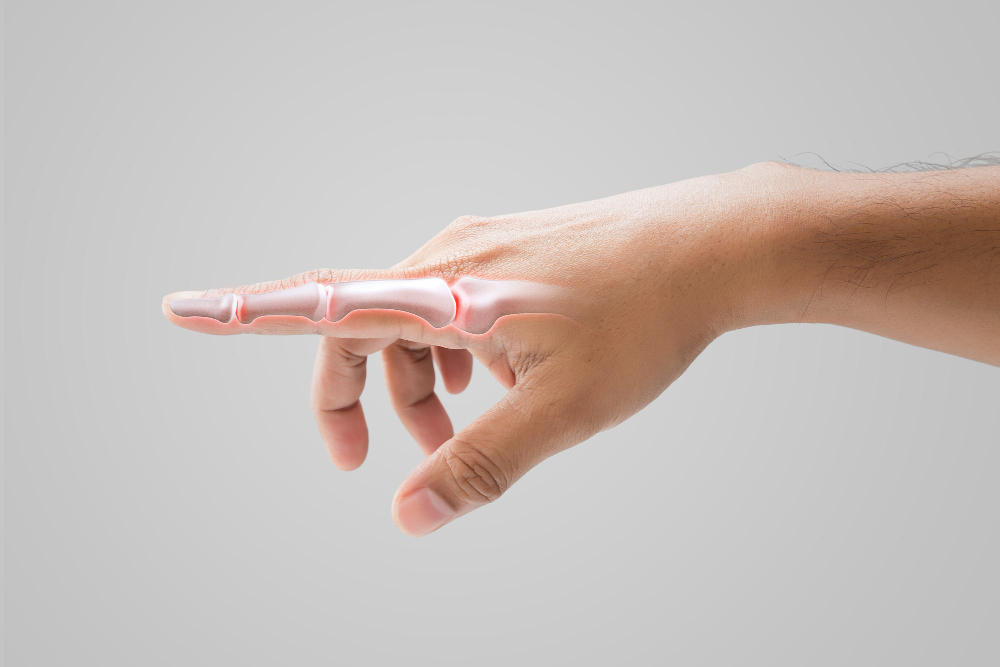
Tendon transfer surgery for hand and wrist deformities is a special procedure. It helps restore hand movement and function when tendons or nerves are damaged. Doctors often use this surgery to improve daily life for people with weak or paralyzed hands. In many cases, tendon transfer surgery is part of orthopedic hand surgery. It is also known as a wrist tendon transfer procedure. This surgery can help people regain strength and control in their hands.
What Are Hand & Wrist Deformities?
Hand and wrist deformities are changes in the normal shape or movement of the hand or wrist. These changes can make it hard to use your hand. Sometimes, deformities are present at birth. Other times, they happen after an injury or illness. For example, nerve injuries or muscle problems can lead to deformities. Because of these changes, simple tasks like holding a cup or buttoning a shirt can become difficult.
Symptoms and Causes of Hand & Wrist Deformities
Hand and wrist deformities can show up in many ways. Common symptoms include:
There are several causes for these deformities. For instance, injuries to nerves or tendons can lead to problems. Some people develop issues after a stroke or due to arthritis. Infections or burns can also cause deformities. According to the World Health Organization, injuries and nerve damage are leading causes of hand problems worldwide.
When Is Tendon Transfer Surgery Needed?
Doctors may suggest tendon transfer surgery when other treatments do not help. Usually, this surgery is needed if:
Sometimes, people with birth defects or long-term illnesses may also need this surgery. However, not everyone is a good candidate. Your doctor will check your health and hand function before deciding.
How Is Tendon Transfer Surgery Performed?
Tendon transfer surgery is a careful process. First, the doctor finds a healthy tendon in your hand or arm. Next, they move this tendon to a new spot to replace the damaged one. This helps restore movement. The steps usually include:
After surgery, your hand is often placed in a splint. This keeps it safe while it heals. In some cities, access to skilled orthopedic hand surgeons may be limited. Therefore, you may need to travel to a larger hospital for this procedure.
Recovery and Rehabilitation After Surgery
Recovery from tendon transfer surgery takes time. At first, your hand will be in a splint or cast. This helps protect the new tendon. Soon after, you will start gentle exercises with a therapist. These exercises help you regain strength and movement. Most people need several weeks or months to recover fully. During this time, it is important to follow your doctor’s advice. With regular therapy, many people see big improvements in hand function.
Risks and Possible Complications
Like all surgeries, tendon transfer surgery has some risks. Common risks include:
However, most people do well after surgery. Your doctor will discuss these risks with you before the procedure. According to the American Academy of Orthopaedic Surgeons, serious problems are rare but possible.
Tips for Prevention and Healthy Recovery
While not all hand and wrist deformities can be prevented, you can lower your risk by:
After surgery, healthy recovery is important. For best results:
With care and patience, many people regain good hand function after tendon transfer surgery.
In summary, tendon transfer surgery for hand and wrist deformities can restore movement and improve daily life. If you have trouble using your hand, consult an orthopedic specialist Dr. Hasib Kamali to discuss if tendon transfer surgery is right for you.