
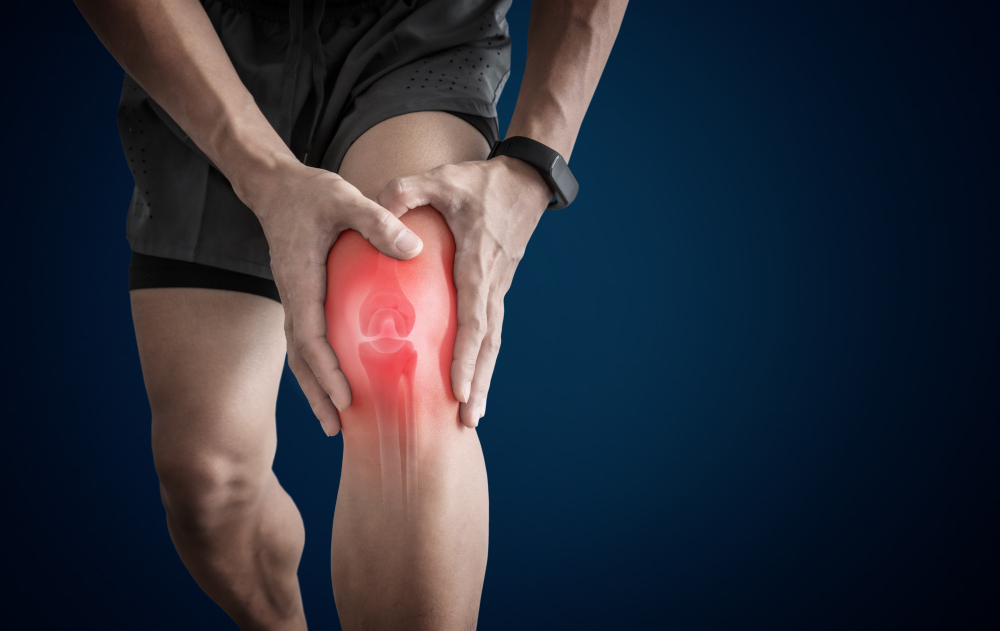
What is an ACL Tear?
An ACL tear is a common knee injury. The ACL, or anterior cruciate ligament, is a strong band inside your knee. It helps keep your knee stable. When this ligament tears, it is called an ACL tear or knee ligament tear. Many people hear a pop or feel their knee give out. Often, athletes or active people get this injury. However, anyone can have an ACL injury. An ACL tear can make walking or moving your knee hard. Because the ACL is so important, a tear often needs special care.
Common Symptoms of an ACL Tear
Right after an ACL tear, you may notice several signs. For example, you might hear a popping sound in your knee. Many people feel pain or swelling soon after the injury. Sometimes, the knee feels unstable or gives way when you try to stand. Here are common symptoms of an ACL tear:
Because these symptoms can be severe, it is important to see a doctor if you suspect an ACL injury.
Causes and Risk Factors
Most ACL tears happen during sports or activities that put stress on the knee. For instance, sudden stops, quick changes in direction, or jumping and landing can cause a tear. While anyone can get an ACL tear, some people are at higher risk. Here are common causes and risk factors:
Additionally, women have a slightly higher risk due to differences in anatomy and muscle strength. According to the CDC, ACL injuries are more common in young athletes.
How ACL Tears are Diagnosed
Doctors use several steps to diagnose an ACL tear. First, they ask about your injury and symptoms. Next, they examine your knee for swelling, pain, and movement. Often, doctors use special tests to check knee stability. For a clear view, they may order imaging tests. These can include:
Because early diagnosis helps with better treatment, it is important to see an orthopedic specialist soon after injury. In some cities, you can find ACL tear treatment centers that offer fast diagnosis and care.
Treatment Options for ACL Tears
Treatment for an ACL tear depends on your age, activity level, and how severe the tear is. Some people recover with rest and physical therapy. Others may need surgery to repair the ligament. Here are common treatment options:
For active people or athletes, surgery is often recommended. However, your doctor will help you choose the best treatment. Many clinics offer ACL tear treatment in your local area, so you can find care close to home.
Recovery and Rehabilitation
After treatment, recovery is very important. Physical therapy helps restore knee strength and movement. For example, you will learn exercises to improve balance and stability. Recovery time varies, but most people need several months to heal. Here are some key points about recovery:
Because recovery can take time, patience is important. According to orthopedic experts, a full return to sports may take 6 to 12 months.
Tips for Prevention of ACL Tears
While not all ACL tears can be prevented, you can lower your risk. For instance, regular exercise helps strengthen the muscles around your knee. Here are some tips to help prevent ACL injuries:
Additionally, some sports programs teach safe movement skills to help protect your knees. Following these tips can help keep your knees healthy and strong. For more tips consult Dr. Hasib Kamali now.