
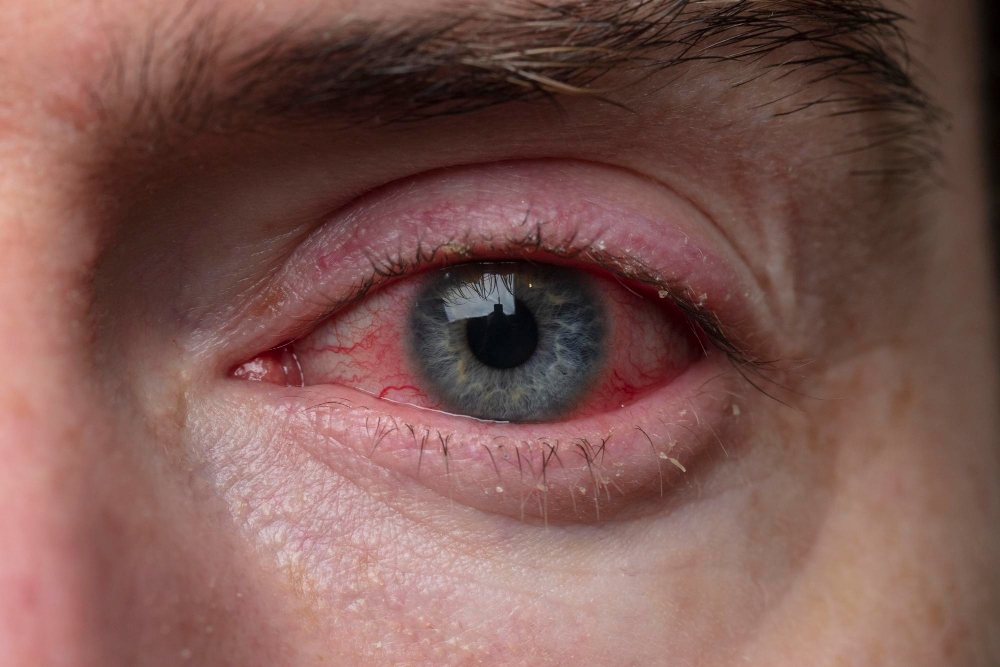
What is Conjunctivitis?
Conjunctivitis, often called pink eye, is a common eye infection. It makes the white part of your eye look red or pink. Many people search for pink eye symptoms and conjunctivitis treatment options because this condition spreads easily. In fact, both children and adults can get conjunctivitis. The problem affects the thin layer covering the front of your eye and the inside of your eyelids. Although it can be uncomfortable, most cases are mild. However, knowing how to prevent conjunctivitis can help stop it from spreading.
Common Causes of Conjunctivitis
Conjunctivitis can happen for several reasons. For example, it may be caused by viruses, bacteria, or allergies. Sometimes, irritants like smoke or chlorine also trigger it. Each type has its own way of spreading and needs different care.
Because conjunctivitis in children is common, schools and daycares watch for outbreaks.
Symptoms of Conjunctivitis
Pink eye symptoms can vary, but most people notice redness first. For instance, you may feel your eyes itch or burn. Some people see more tears or a sticky discharge. In addition, your eyelids may swell or feel sore. Not every case is the same, but common signs include:
While symptoms often start in one eye, they can spread to the other. If you notice these signs, it is wise to avoid touching your eyes and wash your hands often.
How Conjunctivitis is Diagnosed
Doctors diagnose conjunctivitis by looking at your eyes and asking about your symptoms. Sometimes, they may ask if you have allergies or have been around someone with pink eye. In rare cases, a doctor may take a small sample of eye discharge. This helps find out if bacteria or viruses are the cause. Usually, no special tests are needed. However, if symptoms last longer than expected or get worse, further checks may be needed.
Treatment Options for Conjunctivitis
Treatment depends on the type of conjunctivitis you have. For example, viral conjunctivitis usually goes away on its own. You can use cool compresses to ease discomfort. On the other hand, bacterial conjunctivitis may need antibiotic eye drops or ointments. Allergic conjunctivitis often gets better with allergy medicines or eye drops. In every case, keeping your hands clean helps prevent spreading the infection.
According to the CDC, most people recover from conjunctivitis within one to two weeks.
Preventing Conjunctivitis
There are simple ways to reduce your risk of getting or spreading conjunctivitis. For instance, washing your hands often is very important. You should also avoid touching your eyes with unwashed hands. If you have pink eye, stay home from work or school until your doctor says it is safe to return.
Because conjunctivitis care in your area may differ, always follow local health advice.
Lifestyle Tips for Managing Conjunctivitis
While you recover, there are steps you can take to feel better and protect others. For example, use a clean, damp cloth to wipe away discharge. Also, avoid rubbing your eyes, as this can make symptoms worse. If your eyes feel dry, artificial tears from the pharmacy can help. Remember, always use your own eye drops and never share them. If you wear glasses, clean them daily. In addition, take breaks from screens to rest your eyes. If your symptoms last longer than two weeks or you have pain or vision changes, contact Dr. Hasib Kamali right away.